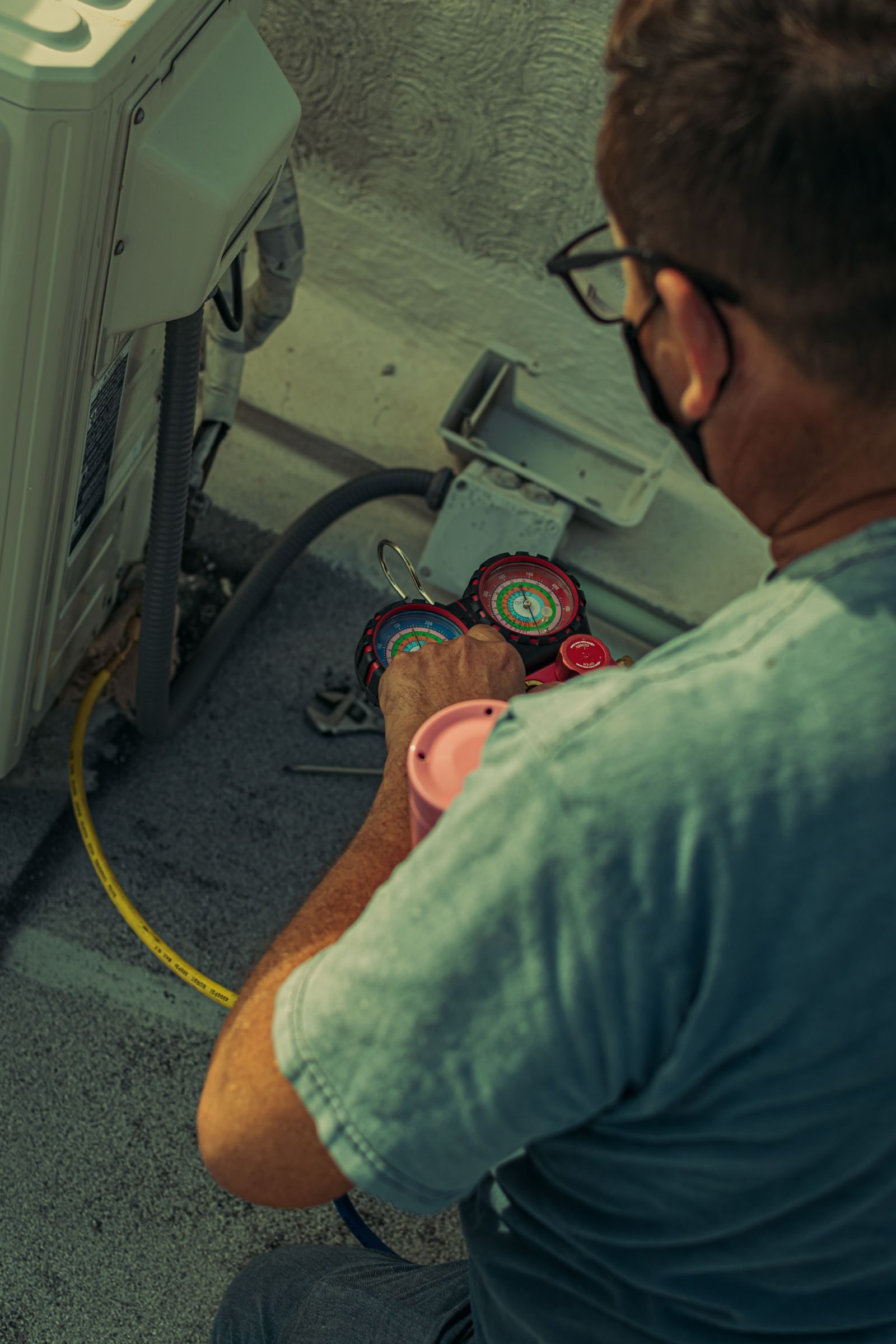
1. Right sizing matters more than brand
In Florida, an oversized AC is as bad as an undersized one. It cools fast but shuts off before it pulls humidity out, leaving your home cold and clammy. A proper Manual J load calculation, not a guess from the old unit, is the single most important step. As a rough starting point, plan on about one ton per 400 to 600 square feet.
2. Understand SEER2 (efficiency)
SEER2 measures cooling efficiency. Because our AC runs most of the year, a higher SEER2 can pay for itself in lower bills. For many homes a mid-range two-stage system is the sweet spot; a variable-speed high-SEER2 system gives the lowest bills and best humidity control.
3. Good, better, best
- Good: single-stage, reliable, lowest upfront cost.
- Better: two-stage, quieter, steadier temperatures, better humidity control.
- Best: variable-speed, quietest, most efficient, best dehumidification.
4. Financing and operating cost
The cheapest system is not always the cheapest to own. A more efficient unit that runs less can pay back the difference over a few summers. Financing through Synchrony lets you spread the cost, often for less than the energy you save each month.
5. Five questions to ask any contractor
- Are you licensed and insured in Florida? (Ours: FL License #CAC057128, Class A Air Conditioning Contractor.)
- Will you do a load calculation, or guess from the old unit?
- What exactly does the parts and labor warranty cover?
- Is the install permitted and inspected?
- Can I see recent local reviews and references?